

The Hidden Work of Being a Patient

There is a part of being a patient that people do not talk about enough: the work.
Not just the appointments, procedures, surgeries, medications, and recovery. I mean the administrative work that quietly piles up behind all of it - calls, referrals, records, authorizations, bills, superbills, reimbursement forms, and follow-ups.
That work has followed me through endometriosis, excision surgery, IVF, surgical menopause, breast cancer treatment, survivorship, and the ongoing need for specialized care.
Each chapter brought its own doctors, decisions, and expenses, and the same lesson: sometimes the provider you truly need is not in network.
WHEN EXPERTISE MATTERS MORE THAN A DIRECTORY
Complex medical care rarely fits neatly into an insurance directory.
With endometriosis, I did not simply need a gynecologist. I needed someone who understood the disease and had the surgical expertise to treat it appropriately. With IVF, I needed fertility specialists who understood my history and goals.
With cancer and survivorship, treatment was only one part of the picture. There was also how to live afterward — managing symptoms, hormone changes, quality of life, and long-term effects.
That has meant seeking specialists in hormone and menopause care, rehabilitation, acupuncture, chiropractic care, and other supportive services. Some have been in network. Many have not.
THE BILLS DO NOT STOP WHEN THE CRISIS ENDS
Medical care does not end when the major event ends. A surgery is not always the end of the story. IVF is not one appointment. Cancer treatment does not simply end when the operation is over.
There are follow-ups, symptoms, side effects, rehabilitation, and the work of figuring out how to feel like yourself again. That means more appointments, costs, specialists — and more superbills.
A superbill sounds simple: your provider gives you the information insurance needs, and
you submit it for reimbursement. But with several providers, multiple appointments, and an already busy life, those documents pile up.
Mine did. Not because reimbursement did not matter, it did. I was already managing my health, family, career, symptoms, decisions, and emotions. Another insurance claim felt like one task too many.
A benefit is only valuable if you can actually use it.
THE PART NO ONE WARNS YOU ABOUT
There is something strange about having good insurance and still feeling like you have to fight to use it.
I value out-of-network benefits because my medical history has taught me how important access to specialized providers can be. But a benefit is only valuable if you can actually use it.
Too often, the patient is left to figure out where the claim goes, whether it was complete or received, why it was denied, and whether to resubmit.
After everything else patients are managing, it feels unnecessarily complicated.
That is why MySuperBills caught my attention.
FINDING A SIMPLER WAY
What I liked about MySuperBills was simple: it made it easier to use the coverage I already had.
I could enter my insurance information, upload my superbill, and get help with the submission process instead of navigating every step of an out-of-network claim myself.
For someone who has spent years navigating complex care, that simplicity matters. It is one less thing to hold in your head and one less reason to put off a bill that may result in money coming back to you.

USE THE BENEFITS YOU ARE PAYING FOR
Medical expenses become normalized with a complicated health history: another copay, specialist, test, out-of-network appointment.
Healthcare is expensive. But there is a difference between paying for care and leaving reimbursement behind because the process is too tedious.
If your plan includes out-of-network benefits, use them. Ask your providers for superbills. Submit them. Keep track of your claims. Follow up when needed. And if there is a tool that makes that easier, let it.
There is no prize for doing every difficult part of healthcare yourself.
WHAT MY HEALTH JOURNEY TAUGHT ME
Endometriosis taught me to keep looking for answers. IVF taught me patience in a way I never wanted to learn it. Surgery taught me vulnerability. Cancer taught me that life can change in a single appointment. Survivorship has taught me that being alive and feeling well are not always the same thing.
Through all of it, I learned to advocate for myself, to ask questions, seek another opinion, choose the right specialist, and protect my quality of life.
FINANCIAL ADVOCACY IS PART OF HEALTHCARE TOO
I now include financial advocacy in that list.
If I am paying for out-of-network benefits, I want to use them. That means asking for superbills, submitting claims, following up, and getting the reimbursement my plan provides.
The cost of complicated healthcare is not just money. It is also time, energy, and attention. That is why MySuperBills matters to me. It makes one part of an already complicated healthcare journey easier.
And sometimes, easier matters more than people realize.
ABOUT THE AUTHOR

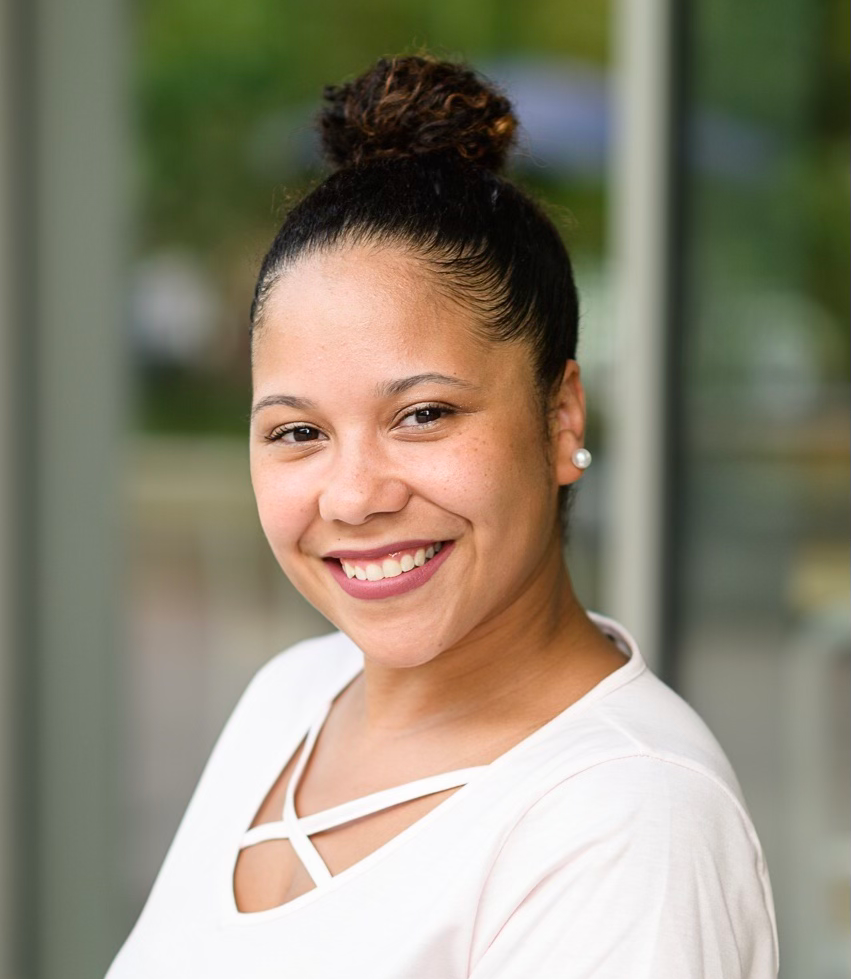
Latrenda Zabaleta, MSOT, OTR/L
Co-Founder & Founding Therapist | Little Milestones for Small Discoveries
Latrenda Zabaleta is a co-founder and founding therapist of Little Milestones for Small Discoveries, a pediatric therapy practice in Jersey City. As an occupational therapist and patient advocate, she brings both professional experience and personal insight to conversations about healthcare, access to specialized services, and self-advocacy.
Learn more about Little Milestones for Small Discoveries: www.lm4sd.com
Originally published on MySuperBills on September 9, 2026. Republished by Little Milestones for Small Discoveries, where Latrenda Zabaleta serves as Co-Founder and Founding Therapist.


Comments